

Bold Art Inspiration: Discovering Creativity Through Color and Style
Art is not just about creating beautiful visuals; it’s about evoking emotions, telling stories, and inspiring others. Bold art pushes the boundaries of creativity, encouraging both artists and viewers to think differently. Whether through striking colors, unusual compositions, or innovative techniques, bold art has the power to leave a lasting impression.

What Is Bold Art?
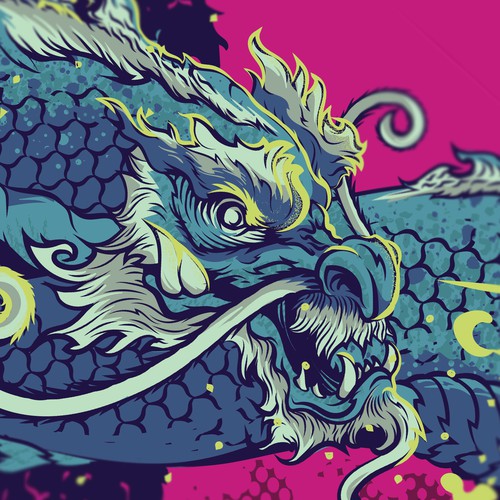
Bold art refers to works that make a strong visual statement. It’s often characterized by vivid colors, strong lines, and an overall fearless approach to design. Bold art doesn’t shy away from contrast, and it embraces elements that are eye-catching and dramatic.
Artists who embrace this style are known for their confidence in using striking color palettes, dynamic shapes, and unconventional patterns. These pieces are meant to stand out, spark conversation, and challenge traditional artistic norms.
The Power of Color in Bold Art
One of the most defining aspects of bold art is the use of color. Bold artists often select colors that are intense, vibrant, and high-contrast, creating a visual impact that grabs attention immediately. Color theory plays a crucial role in this process.
Why Color Matters:
-
Emotion: Colors have the ability to trigger specific emotions. For instance, red might evoke passion, energy, or even danger, while blue can create calmness or sadness.
-
Focus: By using contrasting colors, artists can direct the viewer’s attention to certain areas of the artwork, enhancing the focal points of the piece.
-
Expression: Bold colors allow artists to express their personalities and perspectives, making their works feel personal and unique.
Techniques That Make Bold Art Stand Out
Bold art doesn’t just rely on colors; it also incorporates various techniques that amplify its impact. Whether through abstract patterns, geometric shapes, or surreal imagery, these methods help artists create more dynamic and intriguing pieces.
Popular Techniques in Bold Art:
-
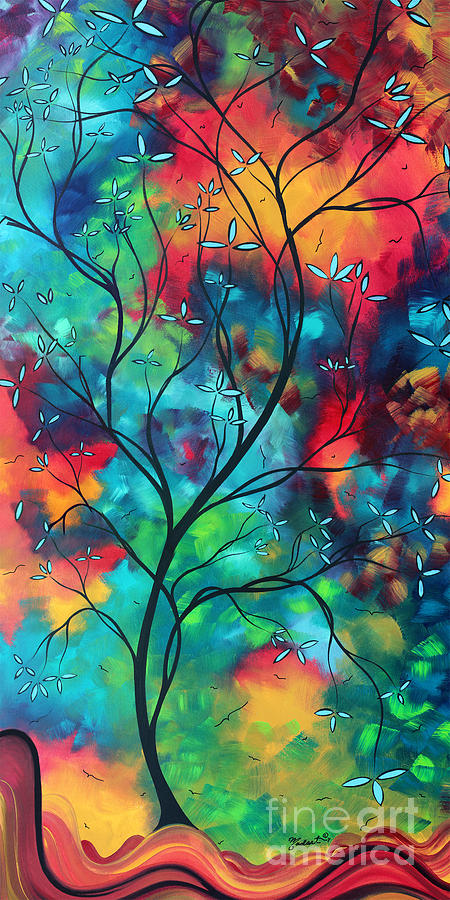
Abstract Expressionism: This technique allows artists to express emotions without relying on representational forms. It often features broad brushstrokes, intense color, and irregular patterns.
-
Geometric Shapes: The use of shapes like circles, squares, and triangles arranged in an intentional, sometimes symmetrical, manner can create a sense of harmony and tension.
-
Surrealism: Combining unexpected elements into a single piece, surrealism challenges reality, inviting the viewer to interpret the artwork in multiple ways.
-
Mixed Media: Using a variety of materials, such as paints, papers, and fabrics, can give depth to the artwork, making it visually complex and multifaceted.
The Role of Contrast in Bold Art
Contrast is one of the most effective tools in bold art. By using opposing elements like light vs. dark, soft vs. harsh, or simple vs. complex, artists create visual tension that makes their work stand out. Contrast helps emphasize certain aspects of the artwork, guiding the viewer’s eye and evoking emotion.
How to Use Contrast Effectively:
-
Light and Dark: Use dark backgrounds with bright elements to make those elements pop.
-
Size and Proportion: Contrast in size can create emphasis, drawing attention to key parts of the composition.
-
Texture and Smoothness: Pairing rough textures with smooth surfaces can create a sensory experience for the viewer.
Bold Art in Modern Culture
In recent years, bold art has become synonymous with modern culture. It’s frequently seen in digital design, advertising, and even interior decoration. Artists who push the boundaries with their bold creations often influence trends in these areas, making bold art a significant part of contemporary life.
How Bold Art Influences Trends:
-
Digital Design: Bold, graphic-heavy designs dominate websites, apps, and social media. The emphasis is on high-contrast visuals and vibrant colors that grab attention.
-
Advertising: Bold art is frequently used in marketing campaigns because it stands out in a crowded marketplace. Its use of vivid imagery and strong statements creates memorable ads.
-
Interior Design: Bold art is also making its way into homes and businesses. Large, colorful murals and framed abstract pieces are popular choices for creating focal points in rooms.
How to Create Your Own Bold Art
Creating bold art might seem intimidating at first, but with the right techniques, anyone can experiment with this dynamic style. Below are some steps to help you get started:
Tips for Crafting Bold Art:
-
Start with a strong concept: Bold art is all about making a statement. Begin with a theme or idea you want to convey and build your piece around that.
-
Use contrasting colors: Don’t shy away from bold color choices. Contrasting colors will help your artwork stand out and grab attention.
-
Experiment with textures: Adding texture to your work can make it feel more dynamic. You can experiment with materials like pastels, acrylics, or even fabric to add depth.
-
Play with composition: Bold art is often unconventional, so don’t be afraid to break the rules of traditional composition. Try off-center placements, asymmetry, or dynamic angles.
Bold Art in the Digital Age
The advent of digital platforms has opened up new possibilities for bold art. Artists now have access to a range of tools and software that allow them to experiment with colors, shapes, and techniques that were once difficult or impossible to achieve in traditional media.
Benefits of Digital Bold Art:
-
Unlimited experimentation: Digital art allows artists to try out different combinations without worrying about wasting materials.
-
Easier sharing: Artists can quickly share their creations with a global audience on social media platforms like Instagram or Pinterest.
-
Interactive designs: With digital tools, artists can create interactive pieces that respond to user input, adding another layer of depth to their work.
FAQs About Bold Art
What makes bold art different from traditional art?
Bold art is all about taking risks with color, shape, and composition. It pushes the boundaries of what’s considered conventional, often embracing strong contrasts, abstract forms, and exaggerated visual elements. Traditional art, on the other hand, tends to adhere more closely to realistic representation and classic techniques.
How can I get started with bold art?
Start by experimenting with vivid colors, abstract forms, and dynamic compositions. Don’t be afraid to make mistakes—bold art is about expression, not perfection. Play with different textures, materials, and digital tools to find your unique style.
Is bold art only for experienced artists?
No, anyone can create bold art! The beauty of this style is that it encourages personal expression and doesn’t require technical perfection. With practice and experimentation, even beginners can make powerful and striking artworks.
Can bold art be used in commercial design?
Absolutely! Bold art is widely used in commercial design, particularly in branding, advertising, and digital media. Its attention-grabbing qualities make it ideal for marketing campaigns and product packaging, where standing out is key.
Conclusion: Embrace Bold Art
Bold art is more than just a visual style—it’s a statement of individuality, creativity, and emotion. Whether through vivid colors, dynamic compositions, or unconventional techniques, bold art allows you to communicate ideas in a powerful, memorable way.
By incorporating bold elements into your design process, you can create artwork that doesn’t just blend in but demands attention. If you’re looking for tools to streamline your creative projects, visit DUYTHIN.DIGITAL for automation solutions that can help you stay ahead in the world of digital design.
Bold art is here to stay, and with the right techniques and mindset, you can create works that not only impress but also inspire others.