

The Best Creative Art Tools for Artists of All Levels
Art is a powerful form of expression, and having the right creative art tools can make all the difference in bringing your vision to life. Whether you’re a beginner or a professional, using high-quality materials helps enhance creativity, improve techniques, and make the artistic process more enjoyable.
In this guide, we’ll explore the must-have tools for every artist, from traditional materials like paints and brushes to modern digital design tools. No matter your preferred medium, these tools will help you unlock new possibilities and create stunning artwork.
Why the Right Art Tools Matter
Using quality art tools improves precision, enhances color vibrancy, and makes the creative process smoother. Artists who invest in professional materials often find that their work looks better, lasts longer, and is more enjoyable to create.
Some key benefits of using the best art supplies include:
-
Better control and precision, whether sketching, painting, or sculpting.
-
Vibrant and long-lasting colors that don’t fade easily.
-
Comfortable and efficient tools that reduce strain and fatigue.
-
Fewer limitations—better materials help artists experiment freely.
If you’re serious about improving your art, upgrading your tools is a great place to start.
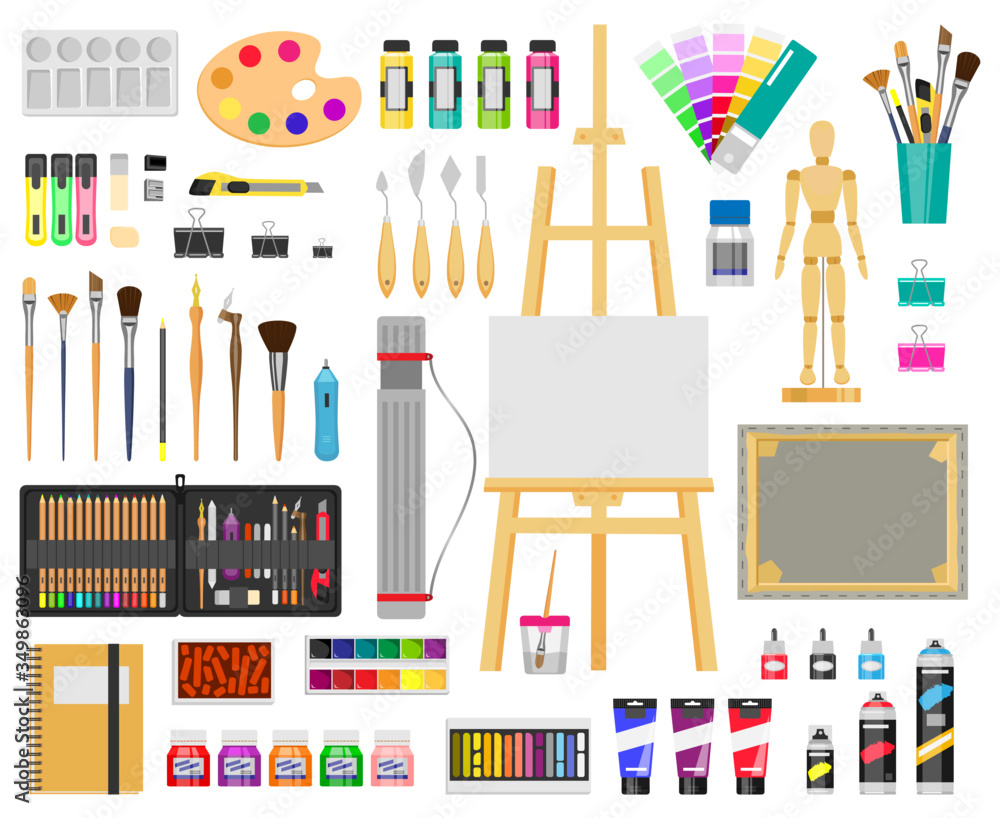
Essential Creative Art Tools for Every Artist
1. Sketching & Drawing Tools
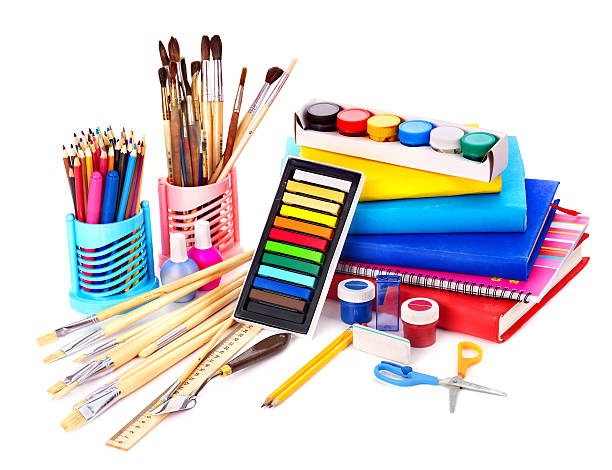
Drawing is the foundation of most art forms. Whether you’re sketching out ideas or creating detailed portraits, having the right tools will make the process much smoother.
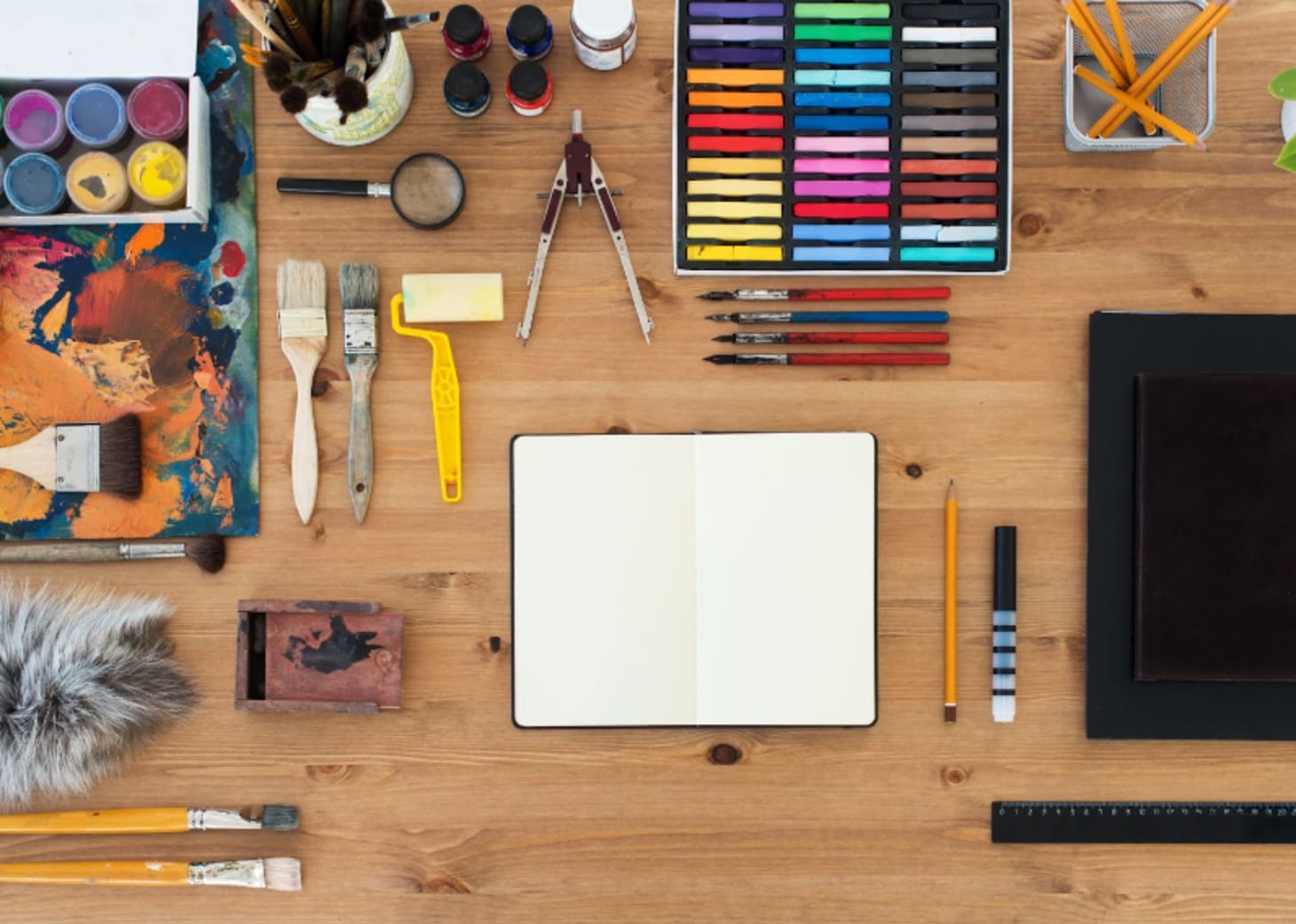
Must-have drawing tools:
-
Graphite pencils (H, HB, B) for different shading effects.
-
Charcoal and pastels for deep, rich textures.
-
Fine liners and ink pens for detailed sketches and outlines.
-
Erasers (kneaded, rubber, and electric) for precision corrections.
A good sketchbook with thick, high-quality paper is also essential for practicing techniques and preserving your work.
2. Painting Tools & Supplies
Painting allows artists to explore color, texture, and emotion in a way that few other mediums can. Choosing the right paints and brushes ensures your artwork looks professional and lasts a lifetime.

Top painting tools:
-
Acrylic paints—versatile, fast-drying, and vibrant.
-
Oil paints—rich textures and deep colors for professional work.
-
Watercolors—great for soft, flowing artistic effects.
-
Brushes—flat, round, filbert, and fan brushes for different techniques.
-
Palette knives—used for mixing colors and applying paint in bold strokes.
Investing in high-quality canvases or watercolor paper ensures that your artwork remains vibrant over time.
3. Digital Art Tools
In today’s world, digital art is growing rapidly. Many artists prefer using graphic tablets, styluses, and digital software to create illustrations, animations, and concept art.
Best digital art tools:
-
Graphic tablets like Wacom, Huion, or iPad with Apple Pencil.
-
Software such as Adobe Photoshop, Procreate, and Clip Studio Paint.
-
Styluses with pressure sensitivity for more precise brush strokes.
Digital art allows for endless experimentation without wasting materials, making it a fantastic choice for modern creatives.
4. Sculpting & 3D Art Tools
For artists who enjoy working in three dimensions, sculpting tools help bring ideas to life in clay, metal, or digital form.
Essential sculpting tools:
-
Clay modeling tools for shaping and refining details.
-
3D printing software like Blender or ZBrush for digital sculpting.
-
Wire armatures for structural support in physical sculptures.
Sculpting is a great way to explore form, depth, and realism in art, whether in traditional or digital formats.
Choosing the Best Art Tools for Your Style
With so many options available, choosing the right tools depends on your artistic goals and preferred style. Here’s how to find the best materials for your needs:
1. Consider Your Medium
Different art styles require different tools. A watercolor artist will need high-quality brushes and absorbent paper, while a digital illustrator needs a responsive tablet and stylus.
2. Invest in Quality Over Quantity
It’s better to have a few high-quality tools than a large collection of cheap, ineffective supplies. Professional-grade paints, pencils, and paper will make a noticeable difference in your work.
3. Experiment and Explore
Art is about creativity, so don’t be afraid to try new tools and techniques. Testing different brushes, color palettes, or mediums can open up new artistic possibilities.
FAQs About Creative Art Tools
Q: What are the best tools for beginner artists?
A: Beginners should start with basic sketching supplies, including pencils, erasers, and a good sketchbook. Acrylic paints and a simple brush set are great for those exploring painting.
Q: How can I take care of my art tools?
A: Keep brushes clean, store pencils in a case, and use a protective sleeve for digital tablets. Proper storage helps prolong the lifespan of your tools.
Q: What’s the best budget-friendly option for digital artists?
A: Huion and XP-Pen tablets offer excellent performance at lower prices compared to Wacom. Free software like Krita or Autodesk Sketchbook is also great for beginners.
Final Thoughts
The right creative art tools can help unlock your full artistic potential. Whether you love traditional painting, digital illustration, or sculpting, investing in quality materials will make your work stand out.
Looking for ways to automate your digital marketing and creative workflow? Check out DUYTHIN.DIGITAL for powerful automation tools that save time and boost efficiency!